
Thoughts
Thoughts, direct from the head of Matthew W Stephens. Essays (academic, lyric, memoirs), reports & analysis, ethnography, and randomness.
The Season of the Dragon
We were three seasons into living at the gray Cape Cod house in Maine. Despite its name, it was nowhere near Cape Cod and even a few hours from the nearest ocean shore. It would have looked great on Maine’s rocky coast, the gunmetal gray logs, squared off and vertical; the roof steeply sloped black shingle; the doors and trim a pop of color in that not-quite-terracotta that had become trendy in the 2010s. And then there was the chimney rising on the left, mottled shades off red and brown that would curl smoke from the top during the harsh Northern winters. This two story home in the middle of a dozen acres of field and trees was to be the family homestead, the farm from which the children could go off and have their adventures and know that they could return to whenever they needed. Rent would be paid in chores and the terrible fate of keeping the old people company.
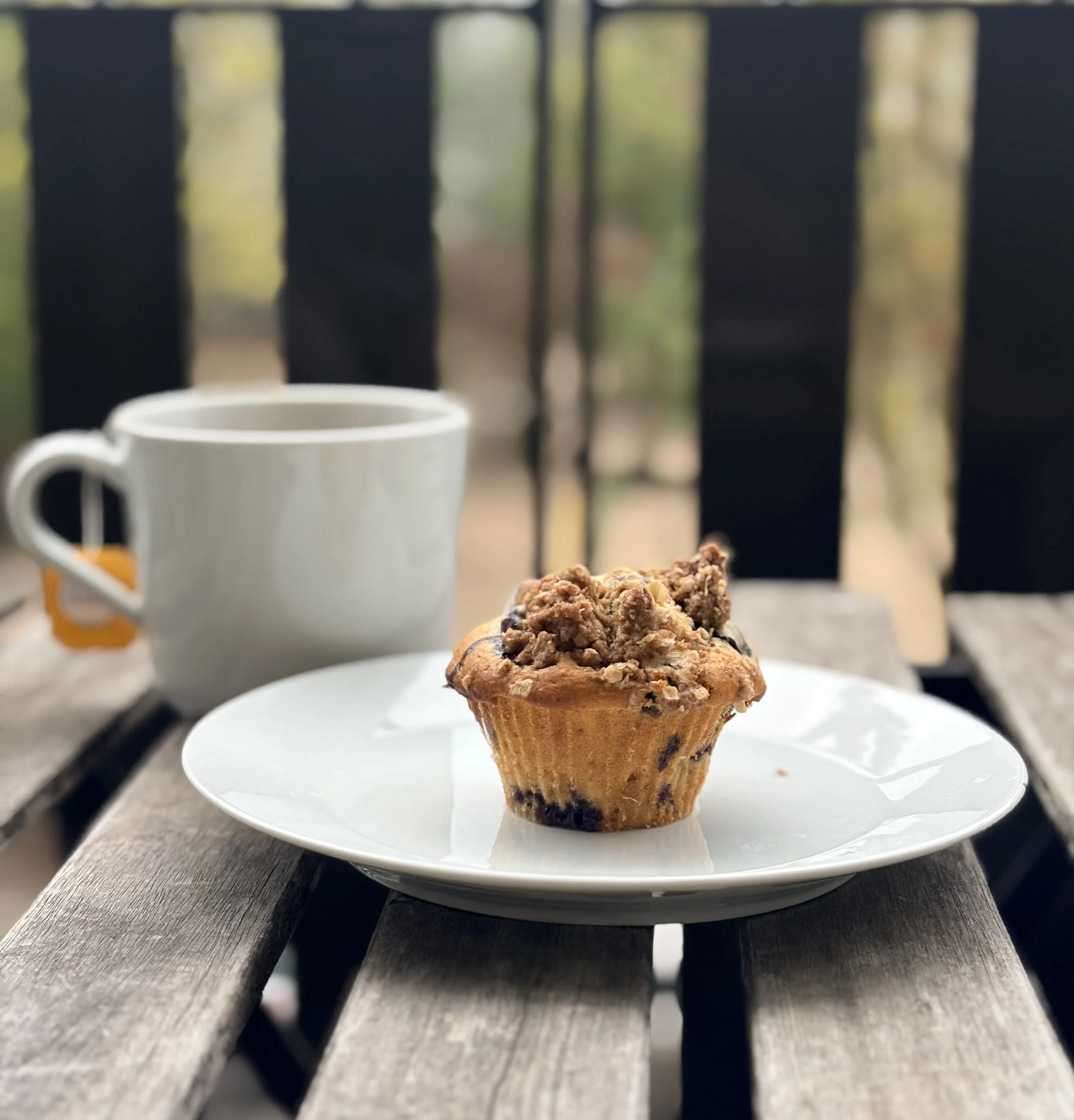
Start With a Good Base
Much of the wisdom that I might impart finds its origins in a kitchen. Food was ever a large portion of my life, far beyond a measure of necessary calories for sustenance. Some of my earliest memories, precious few that they are, hearken back to a kitchen. I remember the simplicity of a shredded wheat breakfast with my grand grandmother, the shared dinners with my grandparents, cooking for dinner parties as an adult, sharing the kitchen with my wife, and eating new things in strange places. Through each of these moments, certain smells or flavors trigger memories and gain a power, a magic, that - for me – only music rivals. Of these two forms of mortal sorcery, only with cooking am I remotely adept.
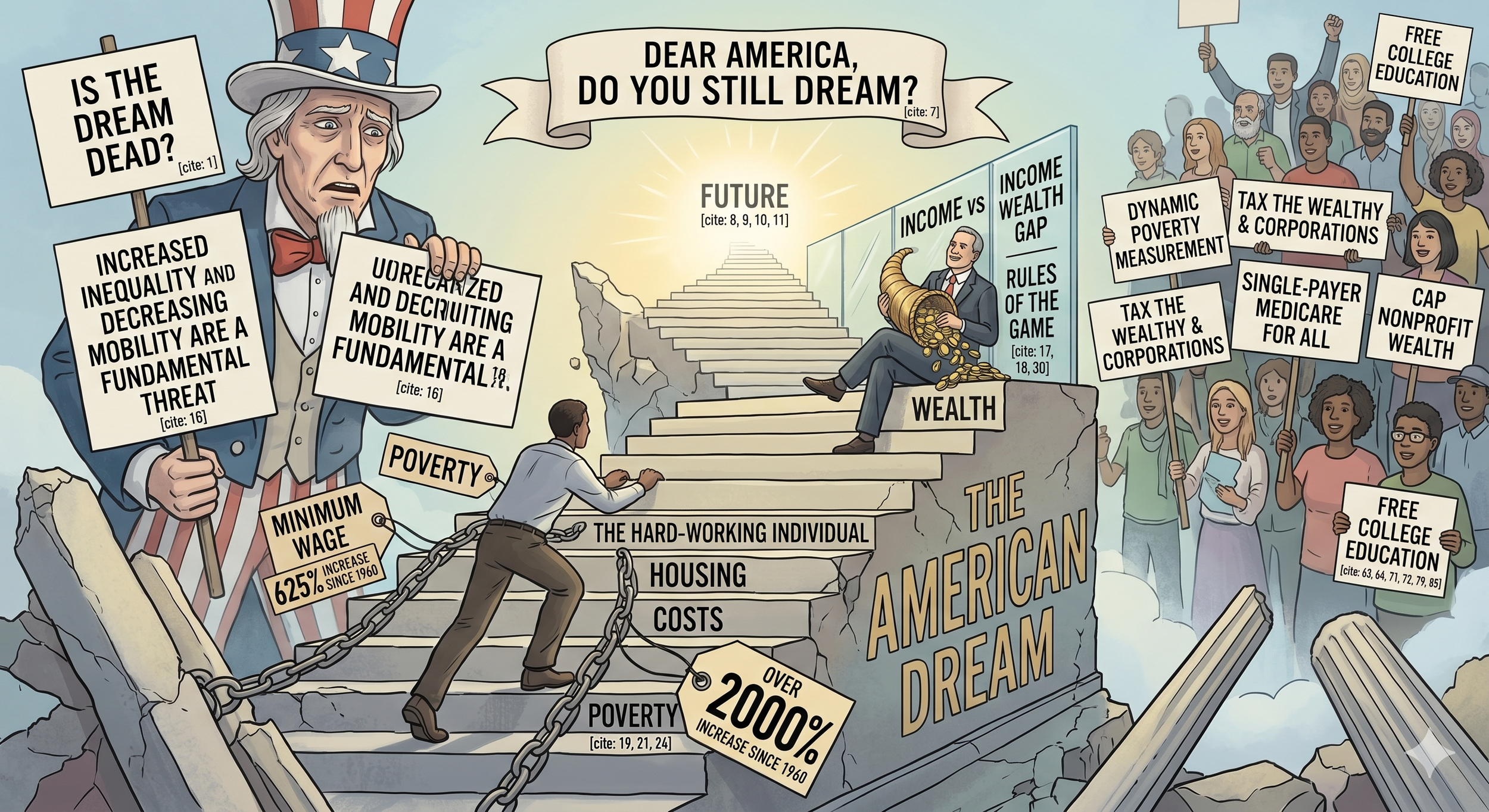
Dear America, Do You Still Dream?
In 1931, historian James Truslow Adams defined the American Dream as “a dream of social order in which each man and each woman shall be able to attain to the fullest stature of which they are innately capable, and be recognized by others for what they are, regardless of the fortuitous circumstances of birth or position” (Adams, 1931, p. 214-215). The American Dream has always been a dream about equality. Whether one’s personal interpretation about the Dream is one of consumerism – if you work hard, you can buy all the things you want – or a more democratic and universal sense of brotherhood, the Dream was one where no matter what your origins, you could do better for yourself. Yet, if one were to search the Internet for the American Dream, the top results – for several pages! – would be lamentations about the death of the American Dream. Watch the videos, read the essays or opinion pieces, and the prevailing theme is this: The American Dream has been brutally tortured with repeated shallow cuts and the prognosis is terminal. This is not just a modern view of the Dream, but a repeated pattern first expressed by Adams himself when arguing that the Dream had become one of buying things instead of the grand equality promised by our founding documents. How did we, the self-proclaimed greatest nation on earth, go from the lofty ideals of “all men are created equal” and hold an inalienable right to “Life, Liberty and the pursuit of Happiness” to poking the corpse of Uncle Sam lying in the ditch?
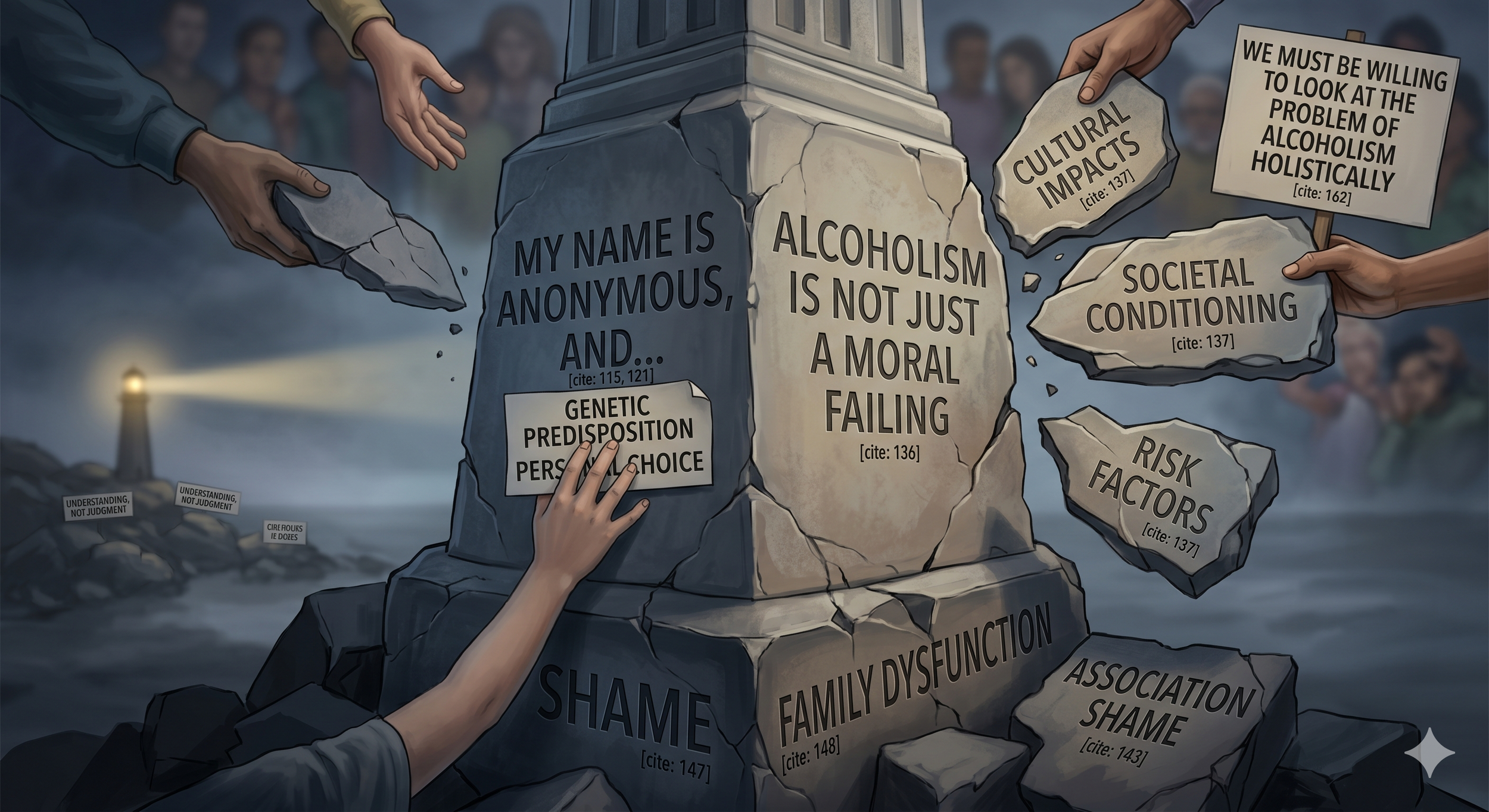
My Name is Anonymous, and…
We sat in a room with twenty or so strangers, all huddled in our family-group clusters under bad fluorescent lighting that glared off freshly waxed checkered floor tiles. The wax on the floor tiles could be described as lipstick on a pig. Our chairs were the foldout metal ones – dark brown, chipped paint, and uncomfortable. There was a plastic table at the side of the room with paper cups and a big pot of coffee, another of water, and a few cookies that were neither homemade nor delicious; the refreshments were institutional, cheap to make in bulk and offered here out of some social obligation for the cause. This was family night at the hospital where my father was checked in for alcohol rehab, the night that, before you could get your hour of visitation, your visitors had to sit through an Alcoholics Anonymous meeting with you and come to understand the burden you carried. This was not the first time I had attended such in my twelve years of life. It was not the first time that year. Later, on the way home, I would ask my mother why they called it a disease in one breath and in the next said it was up to each alcoholic to want to stop. It’s not a disease if willpower is the cure.
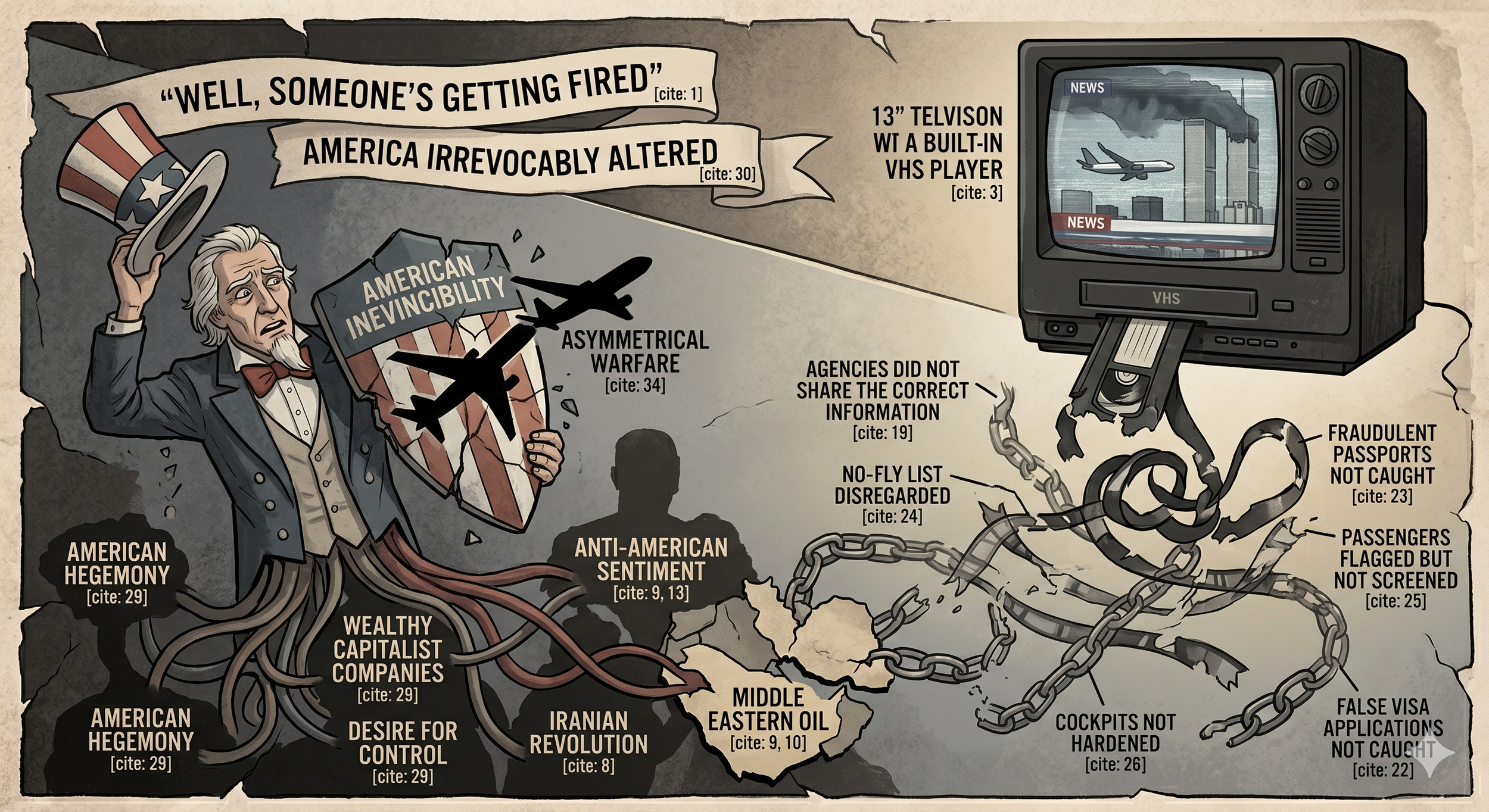
Well, Someone’s Getting Fired
September 11, 2001, started as any other day had started for me for the previous few weeks: it was Tuesday, which meant I had college Algebra at 9:30 and no desire to show up to that class. I sat on the narrow dorm bed in the dorm room I shared with a guy named Josh and opened a packet of strawberry pop tarts to consume while watching the morning news and trying to overcome my executive dysfunction’s urgings to stay in. There, on the 13” TV I had brought to share – thick, black plastic and a built in VHS player at the bottom, right next to the red and yellow receptacles for the kind of video/audio cables that had become ubiquitous. There was a CNN anchor getting excited and talking about a passenger jet that had just crashed into the side of the World Trade Center in New York City. At eighteen, my first thought was, “Well someone’s getting fired.” Surely air traffic control or the pilot had made a major mistake. Then, before I finished my breakfast, a second plane repeated this feat, and it became clear that this was no accident. By the time the third plane slammed into the Pentagon, the highways at the edge of campus and the side streets were all empty. Classes were cancelled; people were advised to stay inside. Outside, I could hear people gathering in the common areas and worrying that we might be next, as the tallest building in Lexington. I hadn’t the heart to tell them that the difference between the World Trade Center and our dorm were significant. These were the first attacks on American soil since Pearl Harbor, and they transformed America.