Gender, Politics, and Kathryn Bigelow
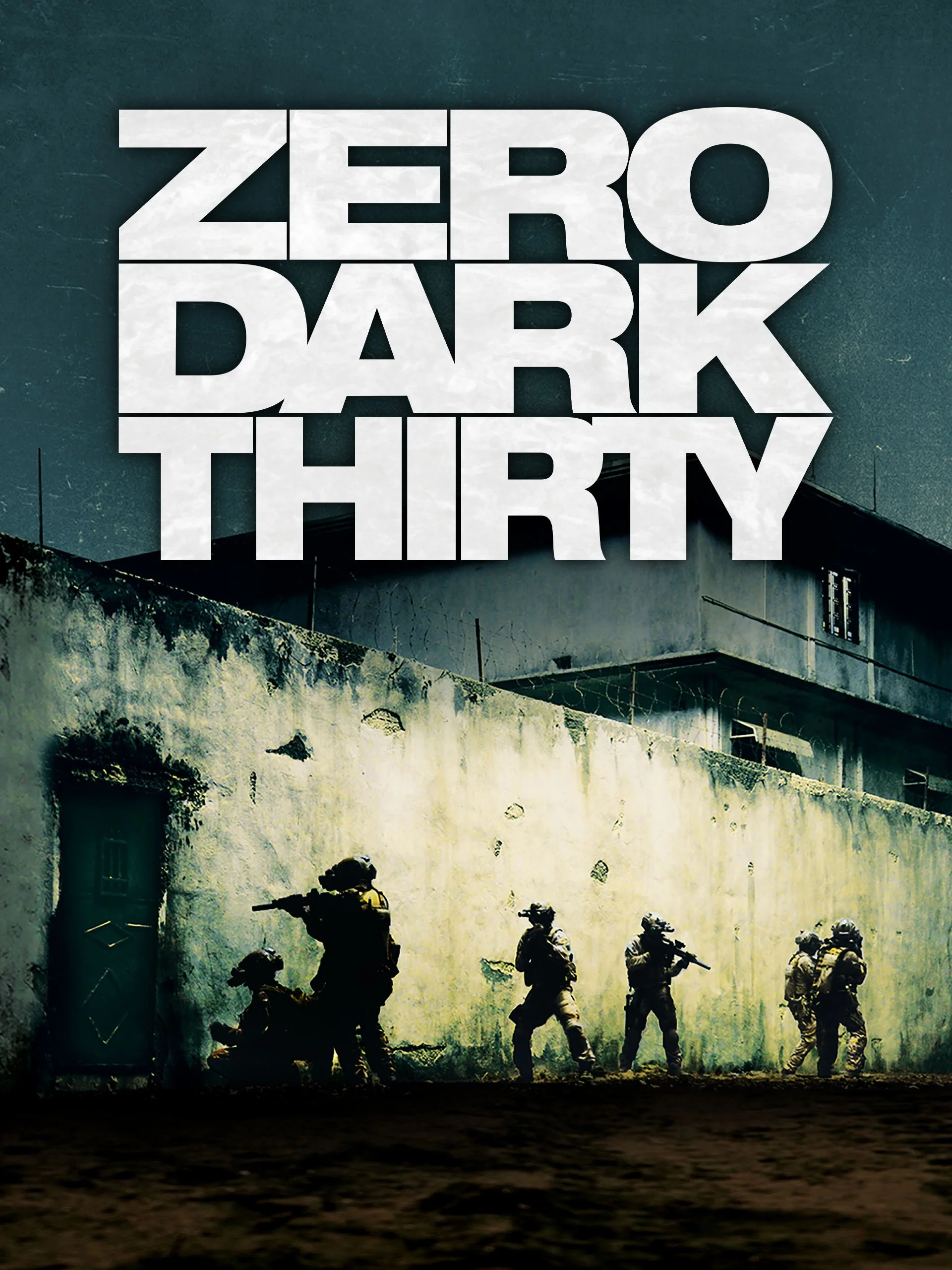
Kathryn Bigelow represents a unique entry into feminist movies. As Martha Lauzen puts it, Bigelow is a director who distances “herself from gender issues, while simultaneously aligning herself with traditionally male-identified traits” (Lauzen, 2011, p. 147). She is a director known for her “reluctance to discuss gender politics of the film industry” according to Lauzen (Lauzen, 2011, p. 147). If one were to view Ms. Bigelow through this light, then one might view the character of Maya, in Bigelow’s Zero Dark Thirty, as a kind of self-insert to the story. Maya is a woman in a male-dominated industry trying to succeed without calling attention to her gender as a factor. Given the noted preferences of both the director and the character, it must be asked: Is Zero Dark Thirty a feminist film?
If feminism is defined as the having the option for women to do what men can do, then this movie is feminist. Kathryn Bigelo is a female director in the male-dominated genre of action movies and was the first woman to win an Academy Award for Best Director and Best Picture. If this is the definition of feminism, then Maya, in the movie, fills this same role. She’s a woman in a male-dominated industry (the CIA/Military-Industrial Complex), who, while not the winner of a national award, achieves a great goal that other men had a failed to do – the assassination of Osama Bin Laden.
If feminism is defined as passing the Bechdel-Wallace Test, then Zero Dark Thirty again passes. By the Bechdel requirements, a movie must have at least two female characters (Maya and Jessica) who talk to each other (all throughout the movie) about something other than a man (their discussions are all work-related). Arguably, the conversations are about a man – Osama Bin Laden – but they take place in the context of work and not in any form of romantic sense. Even should we measure the movie by the variant rules, the two women talk for more than 60 seconds in the film.
If feminism is defined by the movie’s gaze, still we might argue that this film passes our expectations. The male gaze is noted as one which looks upon women as sexual objects to be desired and is more likely to include nude women than men. Yet, Zero Dark Thirty flips this around. The nudity we see in the film is a man; he’s bound, helpless, and specifically told he’s about to be gazed upon by a woman whether he wants it or not. The female characters are not depicted outside of professional clothing. There’s no use of colors, cinematography, or lighting which brings about a romantic aura around any of the scenes.
If a feminist movie is defined, instead, by whether it spews pro-CIA propaganda, then Marouf Hasian Jr would say this movie fails (Hasian Jr, 2013, p. 323) This Utah professor argues in a 2013 journal article that while others have called Zero Dark Thirty a “feminist film epic” it is really a piece of propaganda building on the narrative of American exceptionalism and populist, pro-CIA sentiment as many Hollywood blockbusters are (Hasian Jr, 2013, p323). According to this professor of communication studies, this movie “is in fact a misogynistic fragment which puts on display the dehumanization and barbarity that takes place when women have to act in hypermasculine ways in order to achieve their goals” (Hasian Jr, 2013, p 337). This, however, ignores that in the topic of the movie – Tier 1 military operators and CIA case officers – is a hypermasculine subject matter. Does showing a woman succeeding using the same tactics as men would in her place in other movies of the genre somehow make this movie less feminist? Should we tell women how they can represent other women succeeding in male-dominated careers? As Dr. Martha Lauzen, noted researcher on women in film noted, Bigelow herself has “constructed a “girl wonder” myth by using the building blocks typically employed by men seeking “boy wonder” status” (Lauzen, 2011, p. 151). And since Maya is a stand-in for Bigelow itself, we cannot overlook this.
Is Zero Dark Thirty a feminist film? Is Kathryn Bigelow a feminist artist and champion of women’s rights? When answering these questions I’m reminded of others: can the art be separated from the artist? Let’s take Neil Gaiman as an example. This remarkable writer fell from grace with revelations of sexual impropriety, yet his work remains and is beloved. It is separate from the tragedy of his life as it has found a home and life in the hearts of thousands around the world who interpret it separate from his life and actions. In this regard, no matter what Ms. Bigelow sought to depict, it’s a feminist film if you wish to interpret it as such. And, just as Neil Gaiman scolded the internet that “George R. R. Martin is not your bitch” in defense of his fellow author, so we must come to understand that Kathryn Bigelow is not your bitch (Gaiman, 2009). Her works are feminist masterpieces, or simple action and explosion to enjoy with popcorn, because we choose to interpret them that way. Our interpretations do not place upon her any form of demand to conform to our expectations or to create for them. And that may be the most feminist thing about Zero Dark Thirty: a female directed succeeded in a male-dominated industry, in a male-dominated genre, without pandering to the lowest denominator.
Works Cited
Entitlement issues... (2009, May 12). Neil Gaiman's Journal. https://journal.neilgaiman.com/2009/05/entitlement-issues.html
Hasian, M. (2013). Zero dark Thirty and the critical challenges posed by populist Postfeminism during the global War on Terrorism. Journal of Communication Inquiry, 37(4), 322-343. https://doi.org/10.1177/0196859913505616
Lauzen, M. M. (2011). Kathryn Bigelow: On her own in no-(Wo)Man's-Land. Camera Obscura: Feminism, Culture, and Media Studies, 26(3), 146-153. https://doi.org/10.1215/02705346-1415461